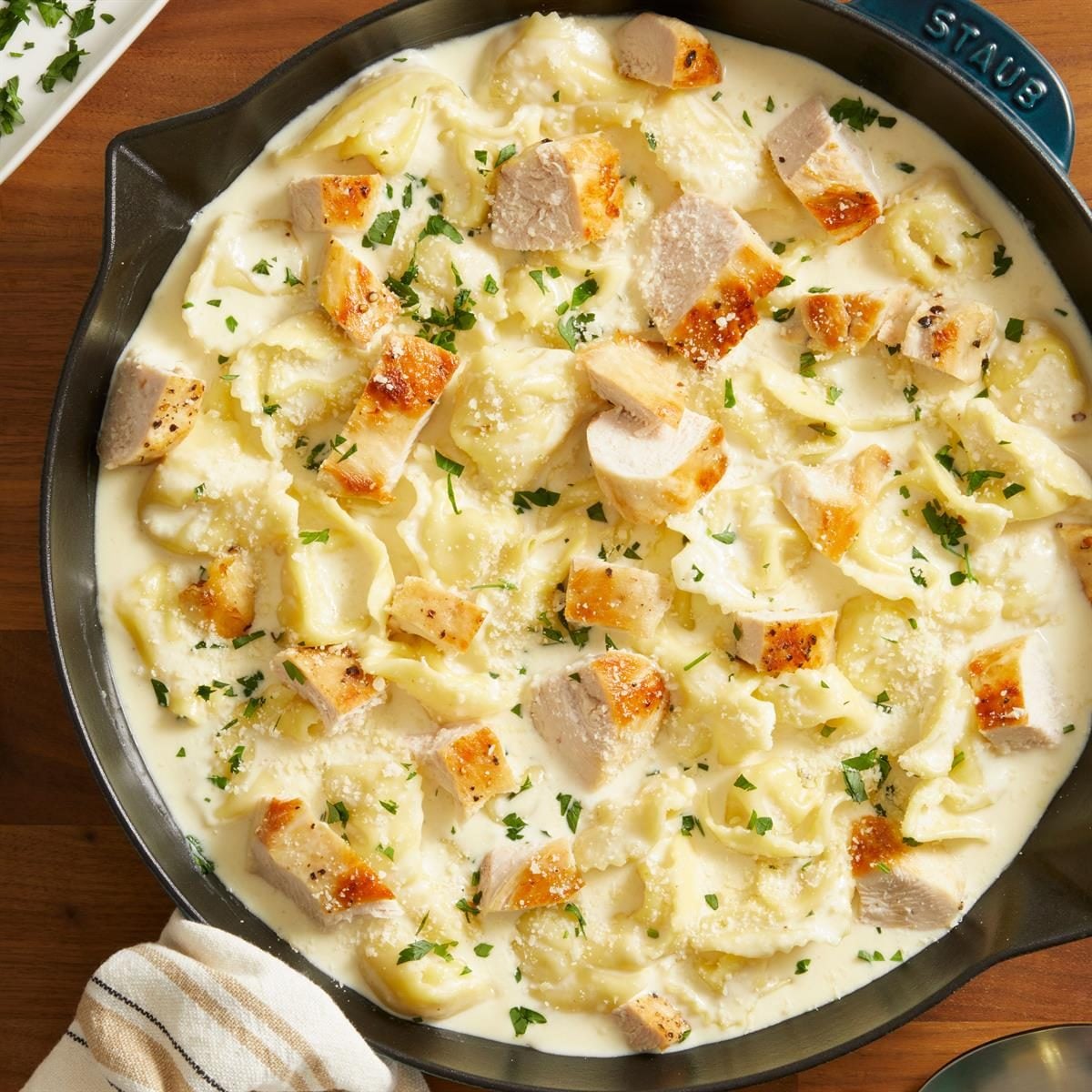
Tips for Perfect Chicken Tortellini Alfredo Every Time
There are few dishes as universally comforting and satisfying as a rich, creamy plate of chicken tortellini alfredo. It's the ultimate blend of hearty pasta, succulent chicken, and a velvety sauce that coats every bite. While many might reserve this culinary delight for restaurant visits, achieving a restaurant-quality chicken tortellini alfredo at home is not only possible but surprisingly straightforward. With a few key techniques and insider tips, you can transform simple ingredients into a dish that will become a cherished family favorite, proving that homemade truly is best.
This article will guide you through crafting a perfect bowl of tortellini alfredo, from selecting the finest ingredients to mastering the subtle art of sauce reduction and delicate pasta cooking. Get ready to impress your taste buds and your loved ones with a dish that rivals any Italian eatery.
The Foundation: Crafting Your Perfect Tortellini Alfredo
The secret to an exceptional tortellini alfredo lies not in complexity, but in the quality of your ingredients and attention to fundamental culinary principles. Think of it as building a house – a strong foundation ensures a sturdy, beautiful structure.
Ingredients Spotlight: Making Smart Choices
- The Chicken: For ultimate convenience, a store-bought rotisserie chicken is your best friend. It’s pre-cooked, seasoned, and incredibly tender, ready to be shredded or diced in minutes. This makes your meal preparation lightning fast, perfect for busy weeknights. However, if you prefer cooking your own, boneless, skinless chicken breasts or thighs, seasoned simply with salt, pepper, garlic powder, and Italian herbs, then pan-seared or baked, will also yield fantastic results.
- The Tortellini: This is the heart of your dish! You have options:
- Refrigerated Tortellini: Often found in the fresh pasta section, these cook the quickest, usually in 2-3 minutes.
- Frozen Tortellini: A pantry staple for many, these take slightly longer, around 3-5 minutes.
- Dried Tortellini: Found in the pasta aisle, these require the longest cooking time, typically 10-11 minutes.
No matter your choice, opt for high-quality cheese tortellini for a classic experience. Don't be afraid to experiment with other fillings like spinach & ricotta or even meat-filled tortellini for a different twist.
- The Homemade Alfredo Sauce: This is where the magic truly happens. Forget jarred sauces; a homemade alfredo is surprisingly simple and requires just five core ingredients:
- Unsalted Butter: Use a good quality butter for the best flavor foundation.
- Heavy Cream: This is non-negotiable for that rich, velvety texture. Do not substitute with milk or half-and-half, as they lack the fat content needed for proper emulsification and body.
- Fresh Garlic: Minced garlic adds aromatic depth. Be careful not to burn it!
- Freshly Grated Parmesan Cheese: This is arguably the *most important* ingredient. While pre-grated Parmesan might seem convenient, it often contains anti-caking agents that prevent it from melting smoothly, resulting in a gritty sauce. Grating your own block of Parmesan (or a blend with a touch of Pecorino Romano for extra tang) ensures a silky-smooth, intensely flavorful sauce.
- Salt and Freshly Ground Black Pepper: To taste, enhancing all the other flavors.
The Tortellini Advantage: Simmer, Don't Boil
A common mistake when cooking tortellini, especially fresh or frozen, is to boil it vigorously like regular pasta. This can cause the delicate pasta to break apart, lose its filling, or become mushy. Instead, *simmer* your tortellini gently in well-salted water. The goal is to cook it until it's just tender, *al dente*, with a slight chew. Remember, it will finish cooking slightly when tossed with the hot sauce. Always check package directions for precise timings, but adhere to the simmering technique.
Building the Best Alfredo Sauce: Patience is Key
The beauty of homemade alfredo is its simplicity, but it does require a little patience. The key to a thick, luscious sauce without adding any flour or cornstarch is the careful reduction of the cream and the proper integration of the cheese.
Mastering the Method: Step-by-Step Perfection
Let's walk through the process to ensure your chicken tortellini alfredo comes out flawlessly every time.
Prepping Your Ingredients (Mise en Place)
Before you even turn on the stove, get everything ready. Shred or dice your rotisserie chicken. Grate your Parmesan cheese. Mince your garlic. Measure your cream and butter. This organized approach ensures a smooth cooking process and prevents frantic scrambling.
The Sauce Comes First: The Art of Reduction
Many home cooks make the mistake of making the sauce last, or rushing it. The alfredo sauce benefits from starting early.
- Melt Butter & Sauté Garlic: In a large skillet or Dutch oven over medium-low heat, melt your butter. Add the minced garlic and sauté gently for 1-2 minutes until fragrant. Be careful not to brown or burn the garlic, as this will impart a bitter taste.
- Add Heavy Cream: Pour in the heavy cream. Bring it to a gentle simmer, then reduce the heat to low.
- Reduce the Cream: This is a crucial step for achieving that rich, thick consistency without any thickeners. Allow the cream to simmer very gently, stirring occasionally, for about 10-15 minutes. You're looking for the volume to reduce by approximately one-third, and the sauce should visibly thicken. It will coat the back of a spoon. This process concentrates the flavors and creates the perfect base for your cheese.
- Integrate Parmesan: Remove the skillet from the heat or turn the burner to its lowest setting. Gradually add your freshly grated Parmesan cheese, stirring continuously with a whisk or wooden spoon until it melts smoothly into the cream. Do not let the sauce boil once the cheese is added, as high heat can cause the cheese to separate or become grainy.
- Season: Season generously with salt and freshly ground black pepper. Taste and adjust as needed. Remember, Parmesan is salty, so add salt incrementally.
For those who appreciate efficiency and flavor, this method allows you to have a deeply flavorful sauce ready when your pasta is. For more tips on quick meal solutions, consider checking out our guide on
Quick & Easy Chicken Tortellini Alfredo for Busy Nights.
Cooking the Tortellini Just Right
While your sauce is gently reducing, get your tortellini cooking.
- Bring a large pot of salted water to a gentle boil, then reduce to a simmer.
- Add your tortellini and cook according to package directions, typically 2-3 minutes for refrigerated, 3-5 for frozen, or 10-11 for dried.
- Before draining, reserve about 1-2 cups of the pasta water. This starchy water is liquid gold for adjusting your sauce consistency later.
- Drain the tortellini well, but do not rinse it.
Bringing It All Together: The Final Toss
Once your sauce is perfect and your tortellini is cooked, it’s time to combine everything.
- Add the drained tortellini and your shredded rotisserie chicken directly into the skillet with the alfredo sauce.
- Toss gently to ensure every piece of tortellini and chicken is coated in the luxurious sauce.
- If the sauce seems too thick, add a splash of the reserved pasta water, a tablespoon at a time, stirring until you reach your desired consistency. The starches in the pasta water will help the sauce cling beautifully.
- Taste one last time and adjust seasoning if necessary.
Elevating Your Experience: Serving & Storage Tips
A perfect meal extends beyond just the cooking; how you serve and store it also plays a crucial role.
Perfect Pairings: What to Serve Alongside
A rich dish like chicken tortellini alfredo benefits greatly from accompanying elements that offer contrast in flavor and texture.
- Fresh Green Salad: A simple garden salad drizzled with a light vinaigrette (like a lemon-herb or balsamic) cuts through the richness of the alfredo beautifully.
- Crusty Bread: French baguettes, slices of Dutch oven bread, or classic cheese garlic bread are perfect for soaking up every last drop of that creamy sauce. Even cheddar bay biscuits make a delightful accompaniment.
- Roasted or Sautéed Vegetables: Lightly sautéed asparagus, roasted broccoli florets, or garlic butter mushrooms are excellent choices, adding freshness and nutrients without overpowering the main dish.
- Aromatic Herbs: Finish your dish with a sprinkle of fresh chopped parsley or basil for a pop of color and a fresh herbaceous note.
Making It Your Own: Customization Ideas
While the classic recipe is divine, don't hesitate to personalize your tortellini alfredo.
- Add Greens: Stir in a handful of fresh spinach or baby kale during the last minute of cooking, letting it wilt into the sauce.
- Spice It Up: A pinch of red pepper flakes can add a subtle warmth and kick.
- Sun-Dried Tomatoes: Chopped sun-dried tomatoes (oil-packed, drained) can add a sweet and tangy element.
- Different Proteins: Instead of chicken, consider adding sautéed shrimp, crumbled Italian sausage, or even crispy bacon bits.
- Herbaceous Twist: Fresh thyme or oregano can be added with the garlic for a different aromatic profile.
Many argue that a homemade version, crafted with care, easily surpasses even popular restaurant dishes. Dive deeper into this debate and our tips for making your
Homemade Tortellini Alfredo: Better Than Olive Garden?
Storing and Reheating Leftovers
If you're lucky enough to have leftovers, store them in an airtight container in the refrigerator for up to 3 days. When reheating, it’s best to do so gently on the stovetop over low heat. Add a splash of milk, cream, or your reserved pasta water to help rehydrate the sauce and bring it back to its creamy consistency. Stir frequently until heated through.
Achieving the perfect chicken tortellini alfredo every time is a rewarding culinary journey. By focusing on fresh, quality ingredients, mastering the gentle art of sauce reduction, and cooking your tortellini just right, you'll unlock a depth of flavor and texture that transforms a simple meal into an extraordinary experience. So, gather your ingredients, follow these tips, and prepare to indulge in a bowl of creamy, comforting perfection that will have everyone asking for seconds.